
Superbowl Car Commercials
Reply
Until 2004 in Japan, all domestic autos were required to have less than 280 HP. This legislation was set up by the Japan Automotive Manufactures Association as an environmental and safety measure. However, the reality was there were some ways around this restrictive policy. In fact, the main way was the Japanese aftermarket tuner scene since enthusiasts would often purchase a domestic model and then have it modified at a local speed shop right at purchase time if they wanted more horsepower. One of the models which was commonly used was Nissan’s Skyline model, now considered one of the best Japanese sport coupes ever built. It’s legacy and technology can be seen in today’s supercar the Nissan GT-R.
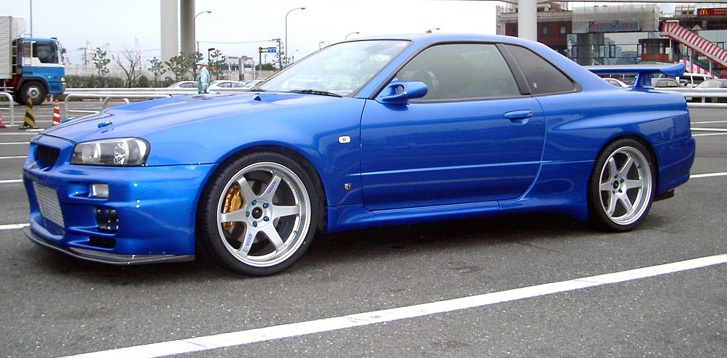
2002 Nissan Skyline R34 GT-R
In addition, imported cars were not subject to the legislation so many enthusiasts purchased European or North American cars as an open loophole. The interesting thing that resulted from the legislation was Japan became a car focused culture where horsepower was truly appreciated.
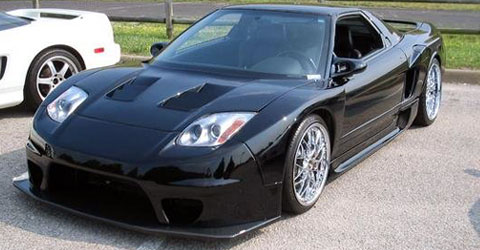
Many of these imported foreign models were purchased by the tattooed class of Yakuza gangsters or Japanese mafia who could be seen driving around Japan’s cities in their Italian suits and imported cars like this one below.

Typical modified imported Yakuza style car
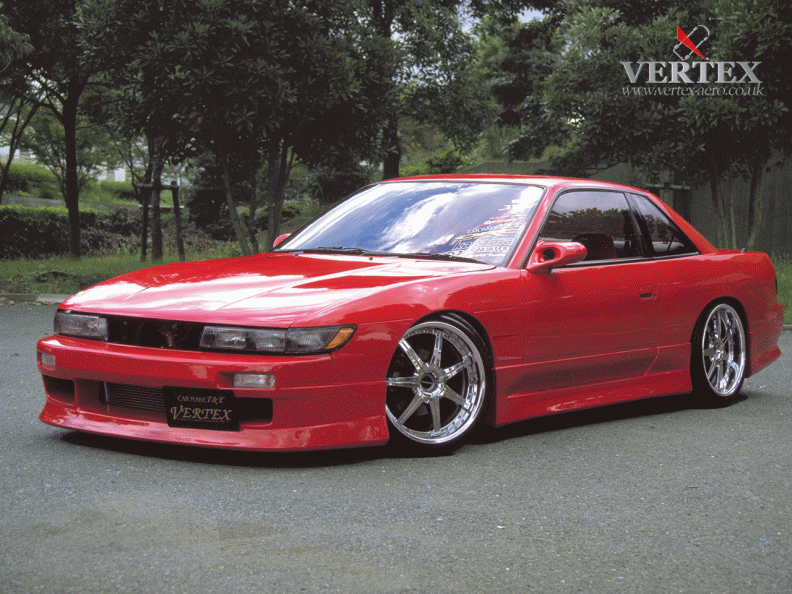
As Japan is considered the birthplace of the auto racing sport “drifting” it is a good time as any to profile a story we wrote last year on the history of drifting. Many of the famous drifting cars are now iconic Japanese models which are sought after by enthusiasts all over the world.

Nissan Silva
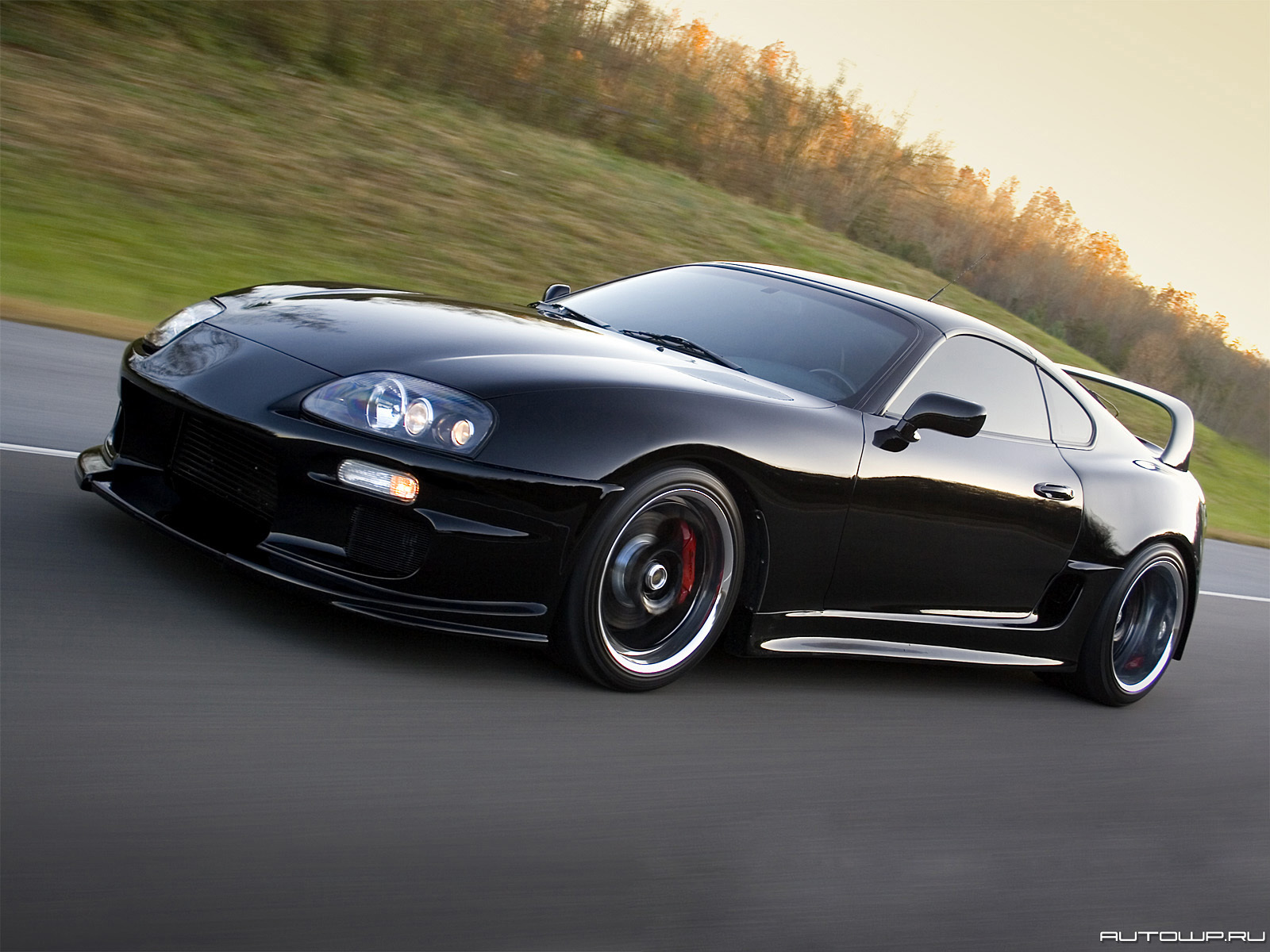
Today in North America, you can easily purchase an older right hand drive model from Japan as a result of all the drifting hype of the last 15 years.

1993 Toyota Supra RWD
Ertefa – The word apparently means “stance” in Farsi the Persian language. Well, that may be the actual translation but it also means well organized, respectful and very popular car show/meets. Organized by a group of auto enthusiasts based in the Toronto area, the Ertefa meets take place on Thursday nights from 9PM – 12 PM and attracts a wide range of cars at all different levels of modifications from clean and stock to ultimate track machines. With on-going communications with the police, the event has rules in place so not to bring unwanted trouble to the car show. Having attended a few times in my S2000, I can say it is a bright light in the local car scene.
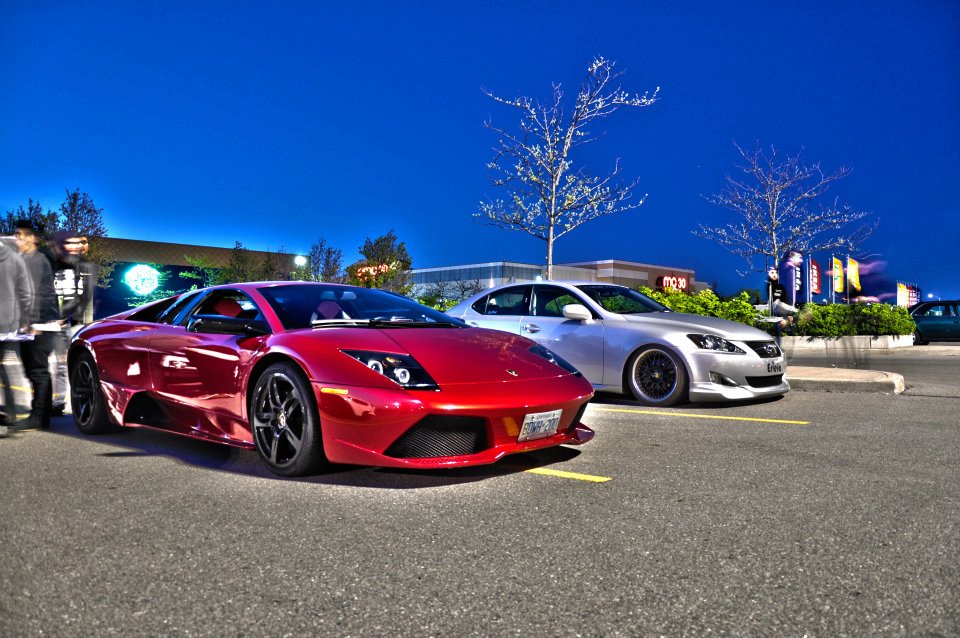
If you are interested in the auto scene at all these are a must see event in the GTA. On a typical evening, you will see all types of cars including; Lambos, Porsches, BMW’s, Japanese cars, American muscle, as well anything you have ever imagined on two wheels including the baddest tow truck around.

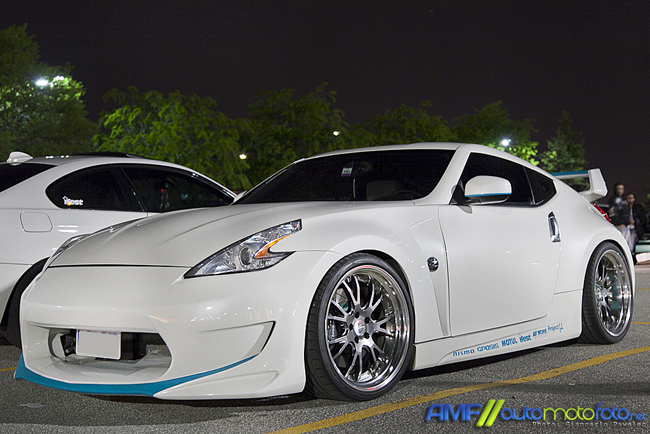
Catering to the car folks in the massive suburbs of the 4th largest city in North America, the turnout is impressive with over 450-500 cars coming out weekly. Growing up in a small town in Southwestern, Ontario, I could not have imagined seeing something like this regularly as these types of events only happened in California or aired on the SPEED Channel.
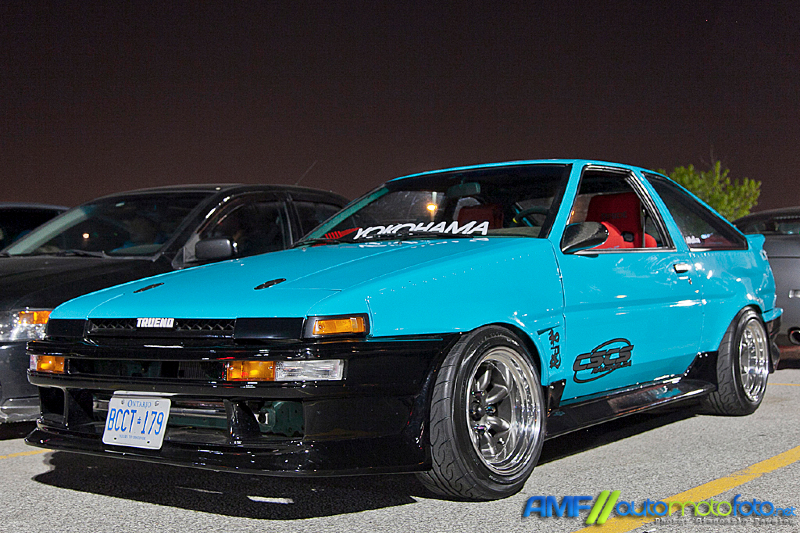
If you are ever in the GTA and looking for a local auto event come by and check it out. The location does move around but currently it is in the Toronto suburb called Woodbridge at the Dave & Buster’s Restaurant parking lot so make sure to check out their Facebook page to confirm the location.
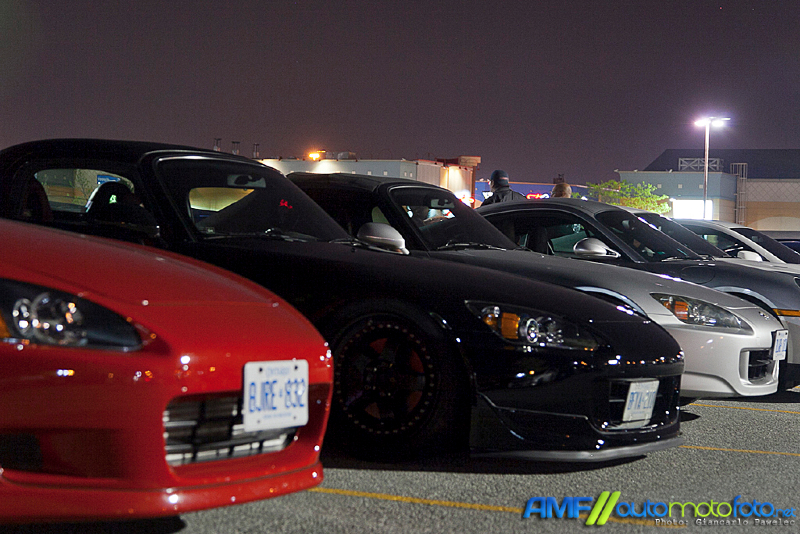

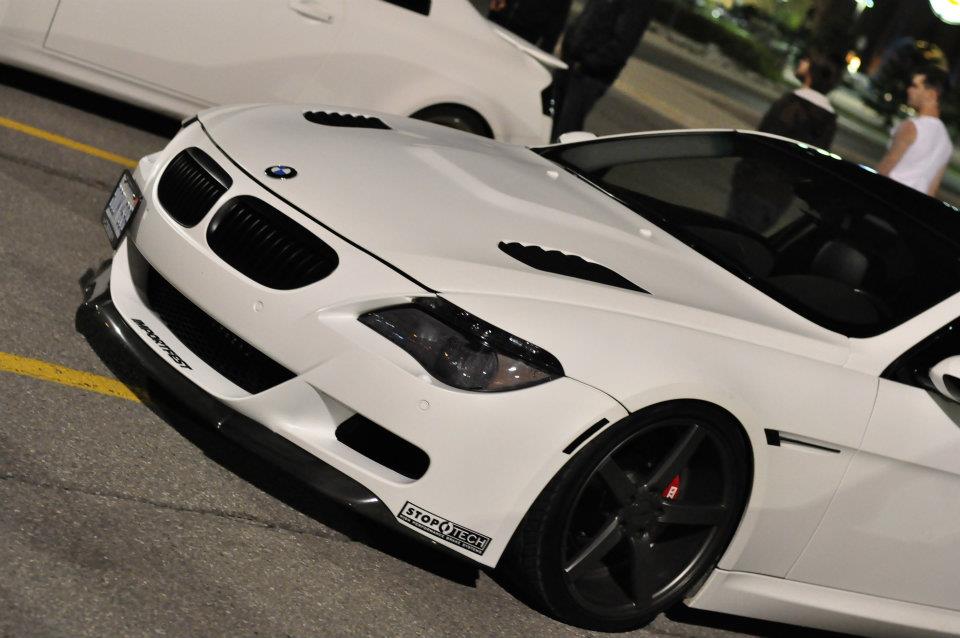


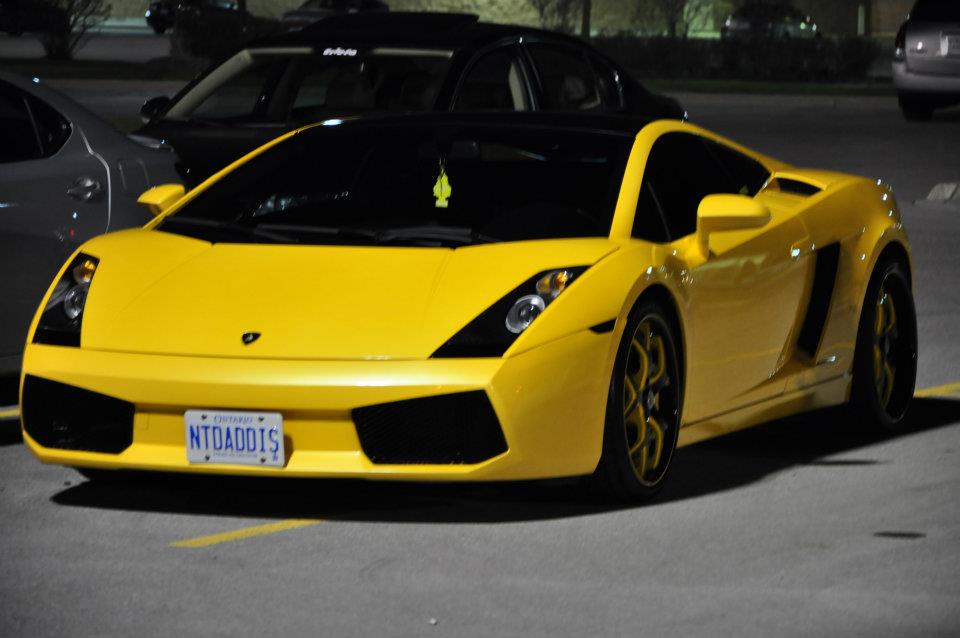

Photos courtesy of Auto Moto Foto blog and Behnood Javidirad.
Keiichi Tsuchiya (known as the Dorikin/Drift King) became particularly interested by Takahashi’s early drift techniques and began honing his drifting skills on these same mountain roads and quickly gained a reputation amongst the racing crowd as he took them to the next level. In 1987, several popular car magazines and tuning garages agreed to produce a video of Tsuchiya’s drifting skills in his Toyota AE86 (Corolla).The grainy low budget video, known as Pluspy, became an international hit and inspired many of the professional drifting drivers on the circuits today. The video certainly mirrors the “Land of the Rising Sun” with its contradictions as the mood transforms from intense to melodic around 4 minutes 30 seconds while as a viewer you are wondering why someone left the slow motion button on.
The combination of Japan’s immense affluence in the late 1980s and early 1990s along with the rise in the aftermarket modifications available for their domestic car models resulted in a dramatic rise of the sport across Japan. Drifting has since exploded into a massively popular form of motorsport in North America, Australia, Asia and Europe. Most recently, with the box office success of films such as Fast and Furious – Tokyo Drift the whole World is now familiar with the Japanese car scene. This is the iconic heavily tuned Mazda RX-7 from the film.

Here are some other famous Japanese modified models widely used for “Drifting” – Toyota A86 Corolla, Honda NSX, Nissan Skyline R32, Nissan Skyline R34, Nissan Silva and Toyota Supra.



 RedlineNorth