Vehicle to Home Charging

How a vehicle to home system works

One aspect of electric vehicle adoption that isn’t always covered in the press is energy security.  This relates to reduced dependence on foreign oil, but also includes mobile power.  For example, in the aftermath of last year’s earthquake in Japan, or the 2003 blackout that hit the North Eastern United States and Eastern Canada imagine having thousands of electric vehicles that could feed power back into people’s homes providing crucial energy for heating, communications equipment or other necessary equipment.

While the electric vehicles on road today don’t have that capability yet, they soon could. Major automobile manufacturers are aware of this potential and are starting to take steps to make this happen.

Toyota Motor Corporation announced recently they have developed a vehicle to home system (V2H) for mutual sharing of electricity between electric vehicles (including plug-in hybrids and full battery electric vehicles) and buildings.  A fully charged plug-in Prius with a full tank of gasoline could theoretically supply power for an average Japanese home for four days (approximately 10 kWh).

The V2H system will be tested in Japan in approximately ten households at the end of 2012 as part of the Toyota City Project. Nissan is also working on a similar system for their electric vehicle, the Nissan Leaf. While it may be a number of years before a system such as this would be commercially available, however, this is potentially one more benefit to the widespread adoption of electric vehicles.
Ertefa Meet

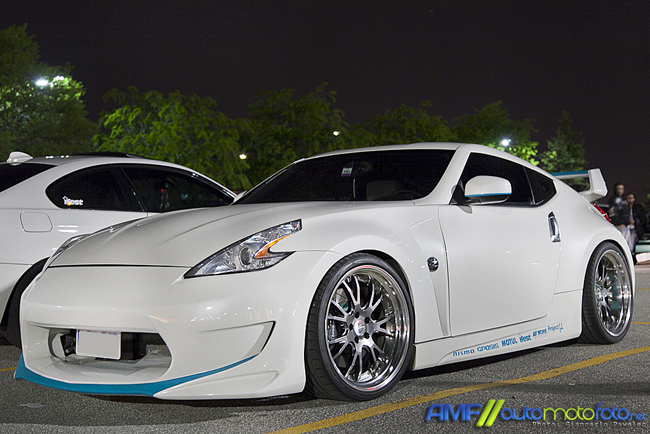
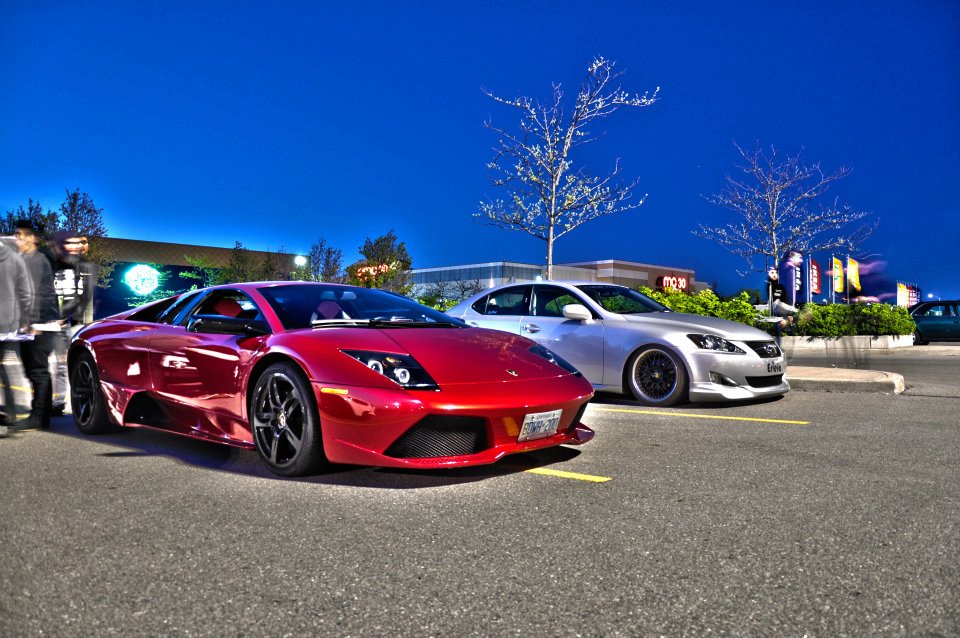
Ertefa – The word apparently means “stance” in Farsi the Persian language.  Well, that may be the actual translation but it also means well organized, respectful and very popular car show/meets.  Organized by a group of auto enthusiasts based in the Toronto area, the Ertefa meets take place on Thursday nights from 9PM – 12 PM and attracts a wide range of cars at all different levels of modifications from clean and stock to ultimate track machines.  With on-going communications with the police, the event has rules in place so not to bring unwanted trouble to the car show.  Having attended a few times in my S2000, I can say it is a bright light in the local car scene.

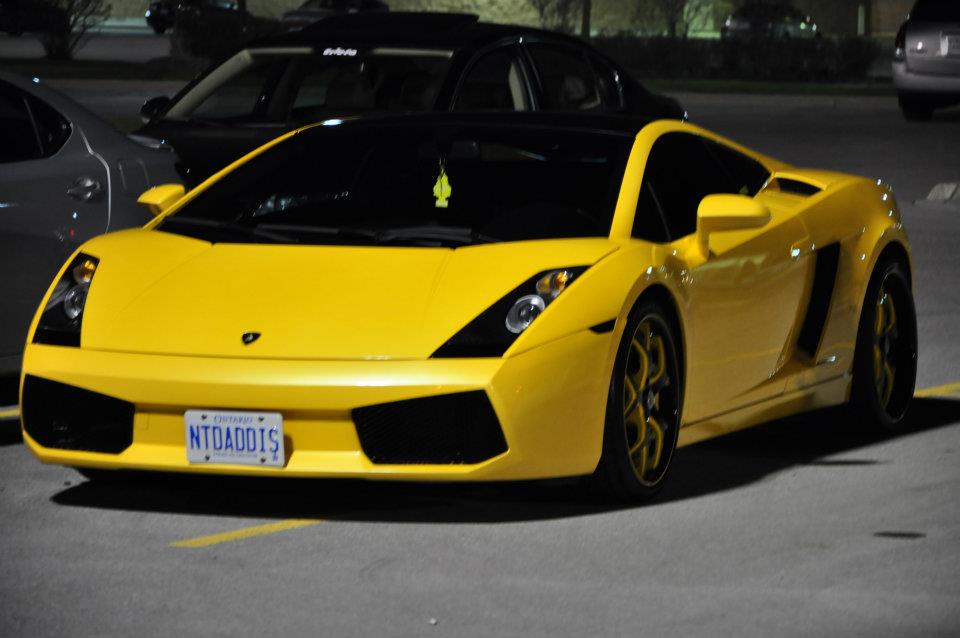
If you are interested in the auto scene at all these are a must see event in the GTA. On a typical evening, you will see all types of cars including; Lambos, Porsches, BMW’s, Japanese cars, American muscle, as well anything you have ever imagined on two wheels including the baddest tow truck around.

Catering to the car folks in the massive suburbs of the 4th largest city in North America, the turnout is impressive with over 450-500 cars coming out weekly.  Growing up in a small town in Southwestern, Ontario, I could not have imagined seeing something like this regularly as these types of events only happened in California or aired on the SPEED Channel.

If you are ever in the GTA and looking for a local auto event come by and check it out.  The location does move around but currently it is in the Toronto suburb called Woodbridge at the Dave & Buster’s Restaurant parking lot so make sure to check out their Facebook page to confirm the location.

Photos courtesy of Auto Moto Foto blog and Behnood Javidirad.

The roots of Japanese Touge Drifting

Tōge or Touge (峠) is a Japanese word literally meaning “pass.” It refers to a mountain pass or any narrow, winding road that can be found throughout the mountainous regions of Japan.  Historically, road engineers in Japan created a series of S bends in steep roads that provided access to and from high mountain elevations in order to decrease the incline, thereby making them easier for commercial trucks to pass on the two lane roads. Around twenty five years ago, these same roads became the hallowed grounds to which the sport of “Drifting” was born. Japanese, motorcycling legend turned driver, Kunimitsu Takahashi, was the foremost creator of drifting techniques in the 1970s. He is noted for hitting the apex (the point where the car is closest to the inside of a turn) at high speed and then drifting through the corner, preserving a high exit speed. As professional racers in Japan drove this way, so did local street racers “hashiriya”  and over the years, these passes have become mythical locations for auto enthusiasts as they provide a challenging and thrilling course to test the limits of cars. Although the J-Pop soundtrack is a bit dated, the video provides a flavour of the Japanese drifting culture in Osaka region.

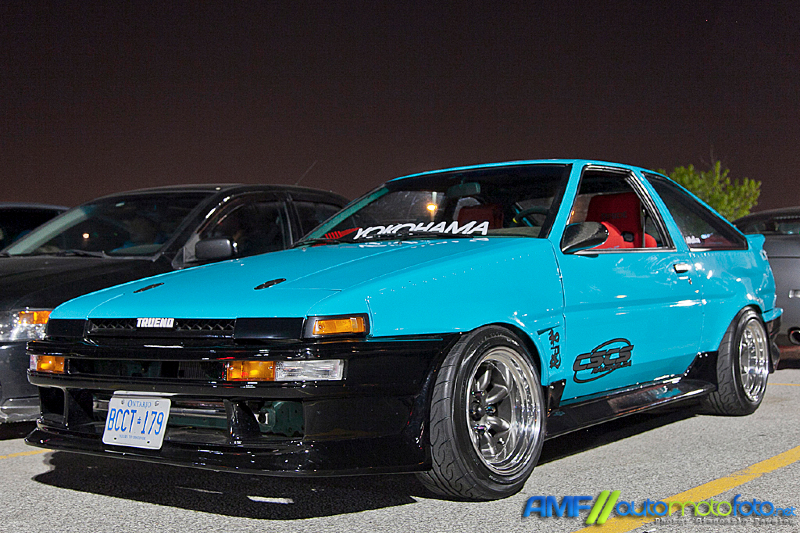
Keiichi Tsuchiya (known as the Dorikin/Drift King) became particularly interested by Takahashi’s early drift techniques and began honing his drifting skills on these same mountain roads and quickly gained a reputation amongst the racing crowd as he took them to the next level. In 1987, several popular car magazines and tuning garages agreed to produce a video of Tsuchiya’s drifting skills in his Toyota AE86 (Corolla).The grainy low budget video, known as Pluspy, became an international hit and inspired many of the professional drifting drivers on the circuits today. The video certainly mirrors the “Land of the Rising Sun” with its contradictions as the mood transforms from intense to melodic around 4 minutes 30 seconds while as a viewer you are wondering why someone left the slow motion button on.

The combination of Japan’s immense affluence in the late 1980s and early 1990s along with the rise in the aftermarket modifications available for their domestic car models resulted in a dramatic rise of the sport across Japan.  Drifting has since exploded into a massively popular form of motorsport in North America, Australia, Asia and Europe. Most recently, with the box office success of films such as Fast and Furious – Tokyo Drift the whole World is now familiar with the Japanese car scene. This is the iconic heavily tuned Mazda RX-7 from the film.

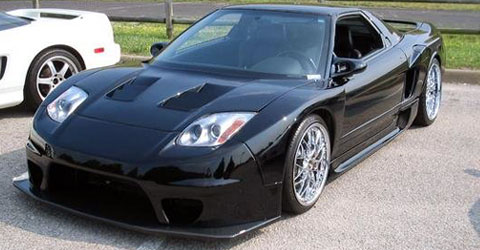
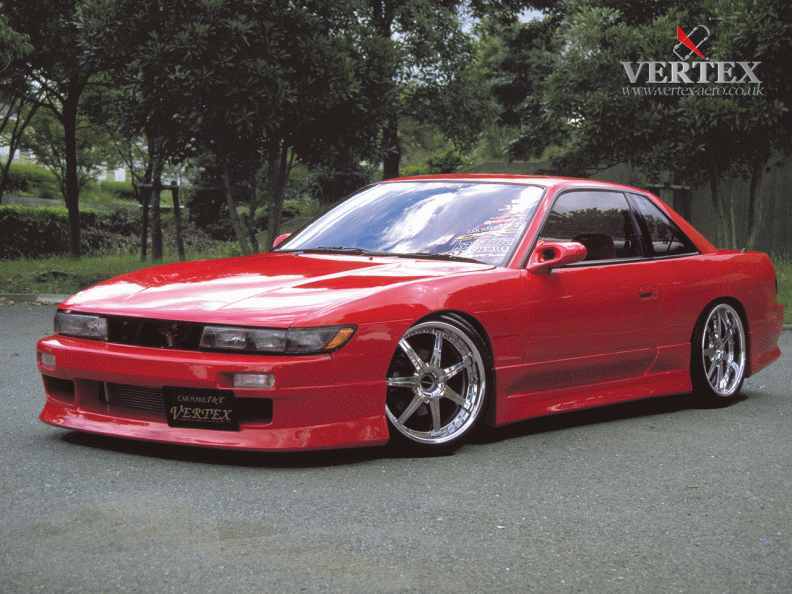
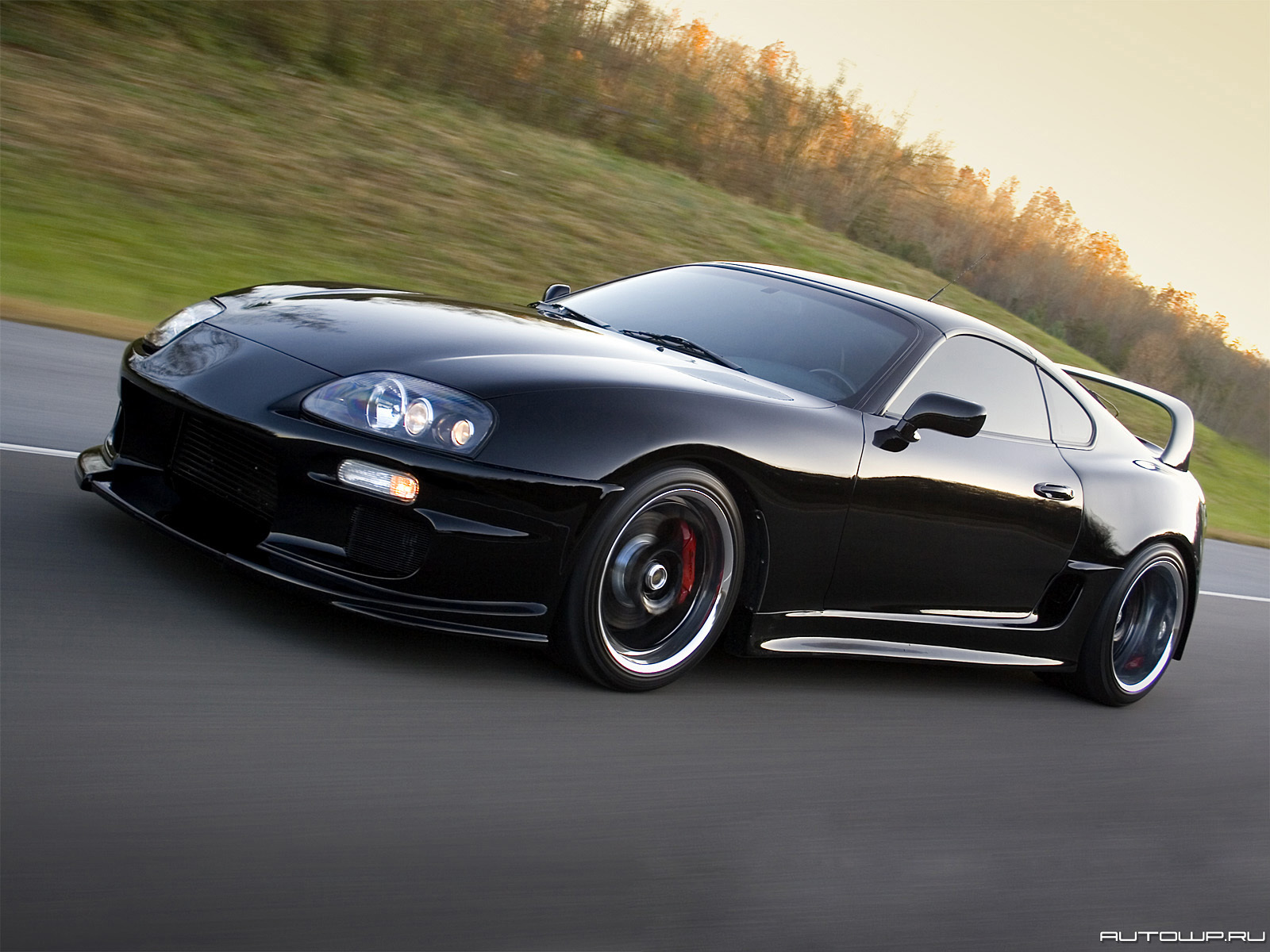
Here are some other famous Japanese modified models widely used for “Drifting” – Toyota A86 Corolla, Honda NSX, Nissan Skyline R32, Nissan Skyline R34, Nissan Silva and Toyota Supra.

Lexus CT 200h Luxury Hybrid

Launched at the Geneva Auto show in March 2010, the Lexus CT 200h Luxury Hybrid  began to be sold in North America one year later.  With worldwide sales at the end of 2011 at just over 50,000 units the model is rather niche for Lexus overall, however, it is leading the compact luxury hybrid category segment and seems to be more than a Prius covered with the Lexus badge.  Along with the comforts and refinement associated with the Lexus brand, the CT 200h provides owners with a genuine feel good persona since it is “greener” than any luxury car ever built.

The CT 200h is powered by the same 1.8 litre VVT-i four-cylinder engine (Toyota’s 2ZR-FXE) as used in the Prius, producing 134 net horsepower and instant torque from the electric motor. According to the Lexus Canada site, the CT 200h has an exceptional Tier 2 Bin 3 emissions rating,  which means that it is nearly 70% cleaner than gas burning engines and  the cleanest dieselsIt also delivers remarkable fuel efficiency of 4.5/4.8/4.6L/100km– city/highway/combined, making it Canada’s most fuel efficient luxury vehicle. With prices starting from $30,950.00 CAD it provides good value for those who have a “green” consciousness while also seeking the luxury of a Lexus.