Ken Block’s Ford Fiesta Does Gymkhana Hot Wheels-Style

A few weeks ago we posted a video of rally car driver Ken Block taking his Ford Fiesta rally car through the Autodrome de Linas-Montlhéry in the third instalment of his Gymkhana video series. Well the folks over at Hot Wheels have created a replica of Block’s Fiesta and the following is a video of the RC version of the car tearing it up around Venice beach, California.

After watching the video it makes you want to go out and get one of these!

The history of NASCAR

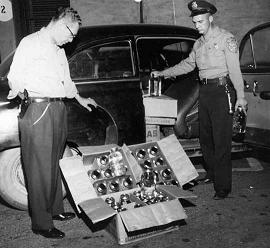
Stock car racing in the United States has its origins in bootlegging during Prohibition, when drivers ran bootleg whiskey made primarily in the Appalachian region of the United States. Bootleggers needed to distribute their illicit products, and they typically used small, fast vehicles to evade the police. Many of the bootleg drivers would modify their cars for speed and handling, as well as increased cargo capacity, and some of them came to love the fast-paced driving down twisty mountain roads.

Typical car used by Moonshiners to transport illegal booze.
Although the end of Prohibition in 1933 dried up the majority of the Moonshiners business, many Southerners had developed a taste for the illegal booze, and a number of the drivers continued “runnin’ shine”, to evade the “revenuers” who were attempting to tax their profits. The cars the Moonshiners used continued to be improved, and by the late 1940s, races featuring these cars were officially being organized. These cars were mainly street vehicles that had been lightened and reinforced to provide drivers with more power and control to tackle the local dirt tracks.These races became popular entertainment in the rural Southern United States, and most of them took place in the Wilkes County region of North Carolina, situated in the heart of the Blue Ridge Mountains.

One of the most famous retired Moonshine drivers is Robert Glenn Johnson, Jr. better known as Junior Johnson, it is said that he was never caught by police during his years of running booze. He became one of the early superstars of NASCAR in the 1950s and 1960s. He won 50 NASCAR races in his career before retiring in 1966. In the 1970s and 1980s, he also became a NASCAR racing team owner and sponsored NASCAR champions such as Cale Yarborough and Darrell Waltrip. He is also credited with discovering the technique of drafting.

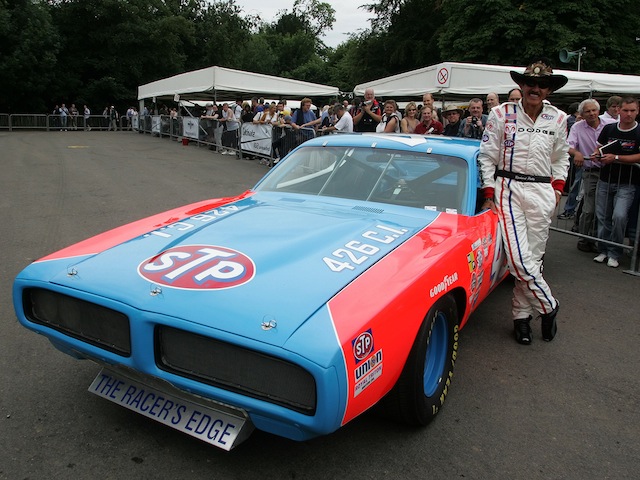
The ultimate King of NASCAR is Richard Petty and he is most well known for winning the NASCAR Championship seven times (Dale Earnhardt is the only other driver to accomplish this feat), while also winning a record 200 races during his career, winning the Daytona 500 a record seven times, and winning a record 27 races (ten of them consecutively) in the 1967 season alone.

Of the recent modern era, Dale Earnhardt, Jeff Gordon and Jimmie Johnson are considered the best of all the time with a combined total of 20 championships and 209 wins. Unfortunately, Dale Earnhardt died tragically in a crash during the 2001 Daytona 500 when Earnhardt’s car hit the wall nose-first at an estimated speed of 160 mph.
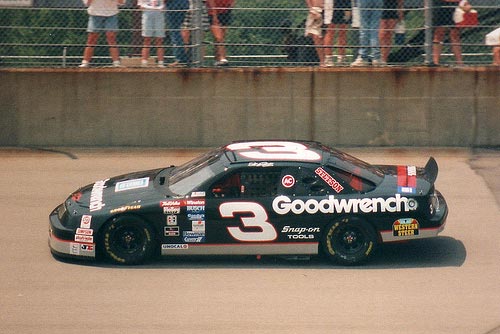
As for NASCAR cars today – they are all built with similar specs below to keep the pack competitive:

  • V8 Engine
  • Electronic fuel injection * 2012 is first year this is being used for Sprint cars
  • Displacement:
    • Approx 355 cubic Inches
    • 750-850 HP
  • Top speeds: without restrictor plates – 220+ MPH plus at Talladega Superspeedway was done by Rusty Wallace in 2004 on test lap
  • Transmission: 4-speed manual w/ reverse
  • Curb Weight: 3450 lb.
  • Chassis: Steel tube frame with safety roll cage
  • NASCAR Steel 15 in. x 10 in.
  • Racing fuel

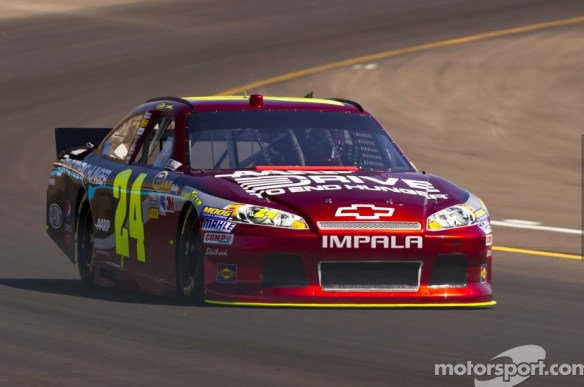
Jimmie Johnson’s 2012 car

Jeff Gordon’s 2012 car
With over 75 million race fans and sales of over $3 billion annually, NASCAR is the biggest form of motorsport in the US.  More Fortune 500 companies sponsor NASCAR than any other motor sport in North America, although the sport’s popularity has been in decline since the early 2000s. For more information please visit the official website of NASCAR.

Volkswagen Westfalia

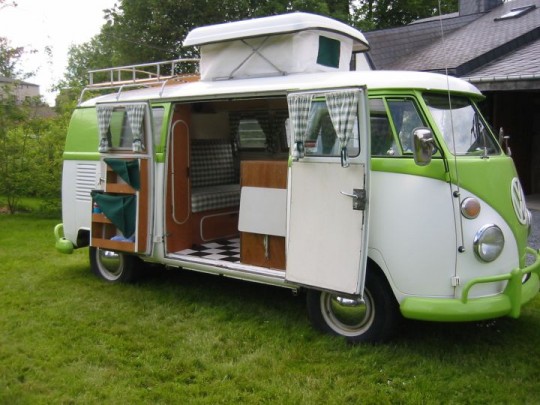
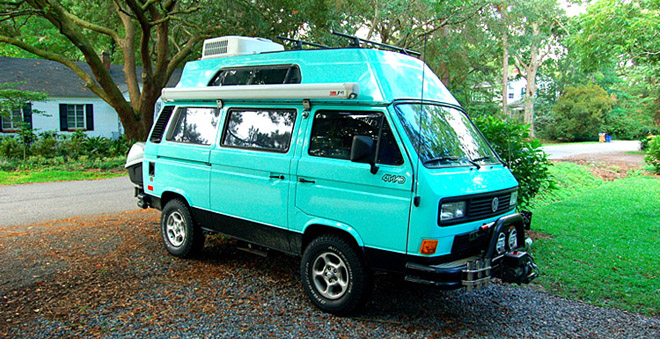
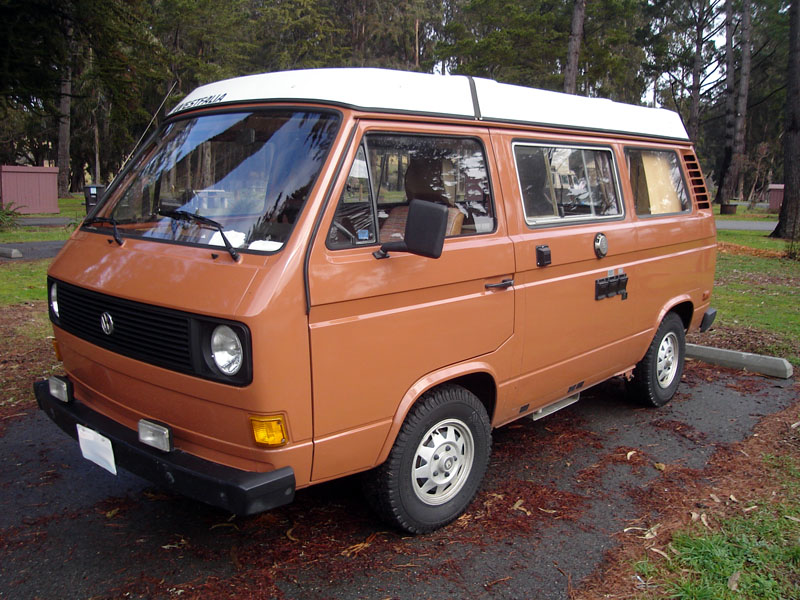
The Volkswagen Westfalia Camper is a camper conversion of the VW bus. The name originates from the company Westfalia-Werke which began converting Volkswagen buses way back in 1951. Originally, the conversions were quite spartan in style but as time went on their famous “pop-top” package was added which provided additional headroom to the van. This became very popular on the second-generation VW Bus from 1968–1979 and is part of its iconic appearance.   In the 1980s the model was called the Vanagon, and the final design was the T4 EuroVan which was discontinued in 2003.  Here are some generational photos of the iconic VW Westfalia in all its different variations.

Like many people I have a great memory about the Westfalia. I vividly remember being about 12ish and learning how to ski with my school chums as we would be shuttled back and forth to the local ski hill on Friday nights in a 1980s era VW Westfalia.  That van had more character than a vintage Rolls Royce and I’m not sure how my friend who is now a Sea King helicopter pilot in the Canadian Navy would always fall asleep on those rides home as the suspension was always working overtime carrying the load of at least 5 teenagers.  That VW bus criss-crossed Canada a few times and took all the abuse two extremely active twin boys as well as an older sister could throw at it. It ended up as a reliable people mover surviving well into our high school years until their old man sold it to another local family who vowed to keep the VW tradition going. It was a shade lighter than this one but similar model.

As the Wesfalia has not been built since 2003, the supply is limited and here in North America they are even more scare and as a result, prices are quite high today.  With many top quality examples being imported from the US there are some more available now than in years past but you better have a thick wallet because they are not cheap.

Vintage Ford Broncos

It does seem like a bit of an anomaly with all the hype around going “green” and getting better gas mileage but let’s be honest there is nothing quite like the smell and sound from a 1970s V8 gas guzzling engine.  That is likely one of the factors contributing to the rise in popularity and value of 1970s Ford Broncos.

The Bronco was initially introduced by Ford in 1966 as a competitor to the small four-wheel-drive compact SUVs of the day which were the Jeep CJ-5 and International Harvester Scout.  It was based on its own platform and was built and sold by Ford until 1996.  Broncos can be divided into two categories: early Broncos (1966–77) and full-size Broncos (1978–96). The early Ford Broncos are now collectors items sought by enthusiasts around the world and can be very valuable if they are in original condition.

With the rise in popularity of these vintage Ford Broncos, one trend becoming popular with the enthusiast community is building an essentially new vintage Ford Bronco to all the original size specifications but with all the bells and whistles of modern auto technology.  This is a recent video courtesy of Adam Carolla’s CarCast where California based builder ICON shows off their latest beautiful handmade Ford Bronco model which comes complete with LED lights, Nike designed front grill and a brand new 5.0 Litre V8 pumping out a whopping 420 HP and 390 lbs of torque.  An incredible machine for the man or woman that has it all.

One celebrity fan of the Ford Bronco is Michigan music legend and outdoorsman, the infamous Ted Nugent.  Check out a video of him ripping it up in his classic 1974 Ford Bronco.

Another beautiful 1976 Ford Bronco for sale in Oklahoma.

If you are interested in checking out more information about Ford Broncos here are some solid websites regarding Ford Broncos.

Bentleys….The Ultimate in Luxury

Bentley Motors Limited is a British manufacturer of automobiles which was founded in 1919 by Walter Owen Bentley. The company originally built a range of airplane engines in World War I, the most famous being the Bentley BR1 which was used in the famous British fighter Sopwith Camel. After the war, Bentley designed and made production cars that won the 24 hours of Le Mans in 1924  and repeated that success with victories in 1927, 1928, 1929 and 1930. Purchased by Rolls-Royce in 1931, production was moved from London to Derby and later to Crewe, England.  In 1998, the Volkswagen Group of Germany purchased Bentley, and have kept the production facilities in the UK so the car is still classified as British built.

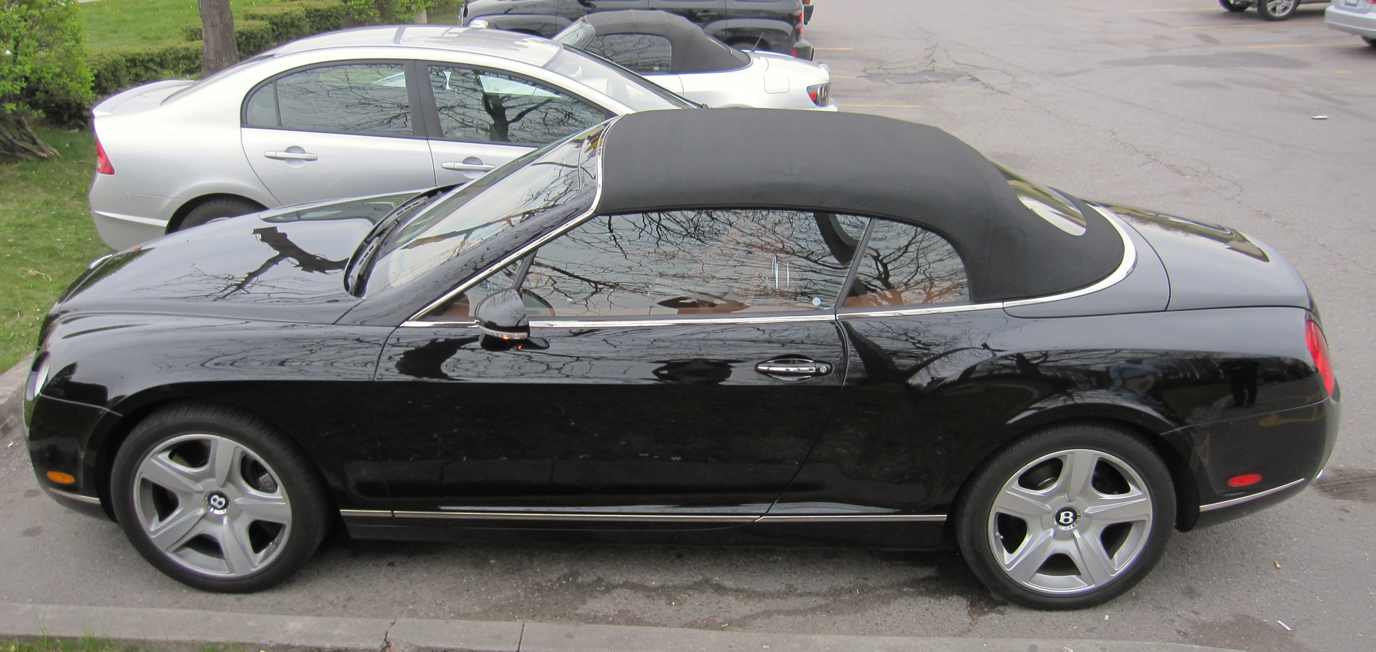
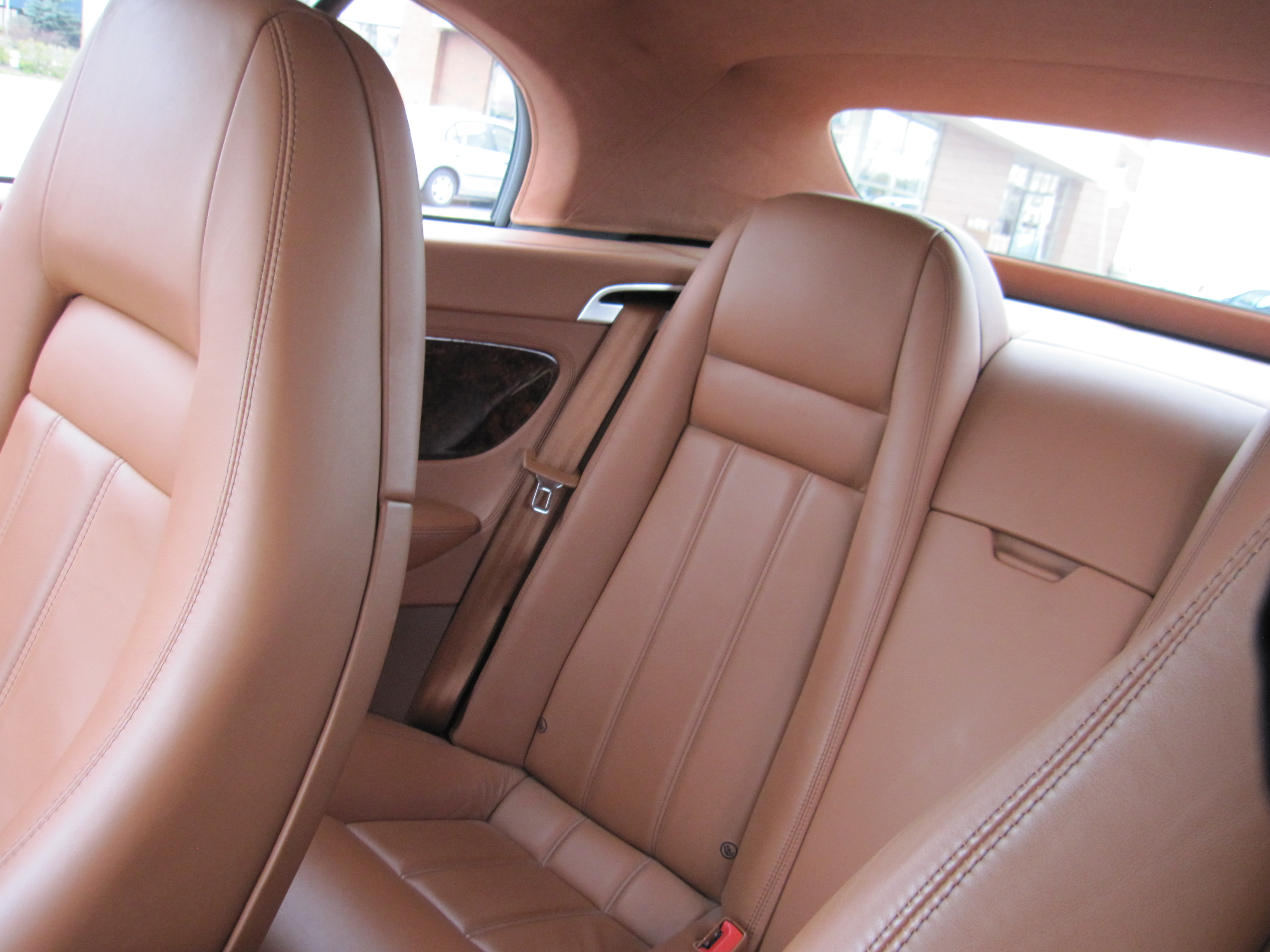
Historically, it has always been the ultimate gentleman’s car as a faster more performance focused automobile than its cousin, the Rolls Royce.  It still remains the ultimate luxury automobile for society’s 1% however, it now also reigns supreme as the defacto purchase for the biggest names in pro sports and entrepreneurs who have “made it”.  I recently had the opportunity to take some photos of a local 2009 Bentley GTC Convertible. What a machine is all I can say…

Specs are impressive to say the least…

  • 600 HP
  • Top speed of 325 kilometres per hour (201.9 mph)
  • 0-60 mph time of 4.3 seconds
  • Acceleration to 200 km/h (124 mph) from 0 in 12.8.
  • First production Bentley officially capable of reaching 325 km/h (201.9 mph), despite the fact the car weighs over 2,400 kilograms (5,291 lb)

Cadillac Baby Stroller

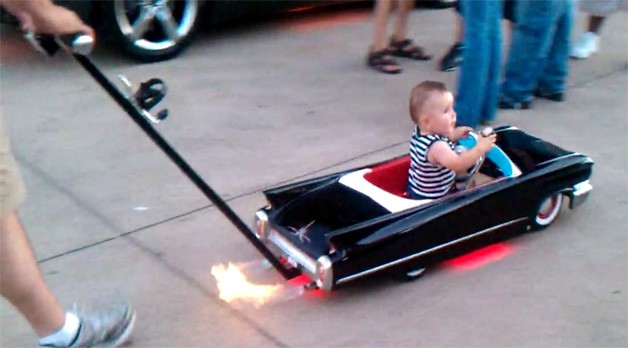
You’ve got to love this baby stroller, even if you don’t have a child of your own.  It features red under body lights, whitewall tires and a red interior. Oh yeah, you can also push a button to shoot flames out the back!

Cadillac Baby Stroller

Check out the video and the ebay page where you can buy the fiberglass body to make your own.